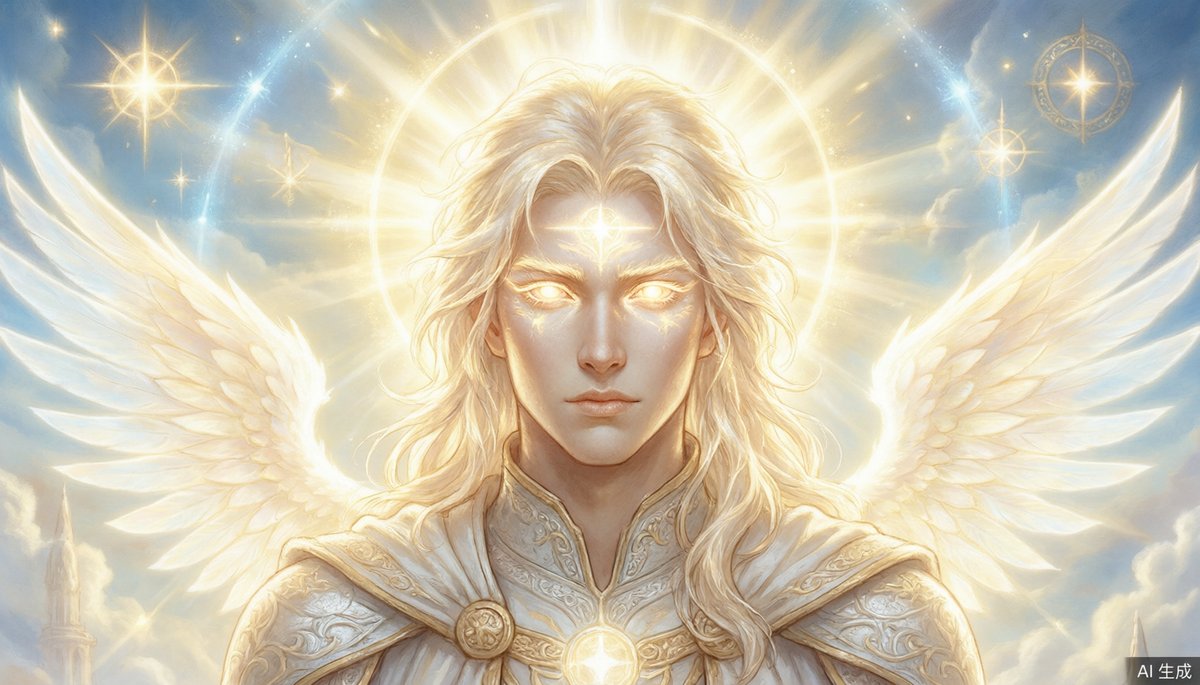
Radiant aasimar with divine glow and angelic features, touched by celestial power

Aasimar Name Generator

Generate aasimar names for D&D 5e — mortal names, celestial names, Protector/Scourge/Fallen traditions, and divine heritage naming

Generate Aasimar Names for Your Divine RPG Character

Called by the Heavens: Aasimar's Divine Naming Tradition

An aasimar walks between two worlds -- the mortal realm of their human ancestry and the celestial plane of their divine heritage. This duality is reflected in nothing more profoundly than their names. Where a human is given a single name at birth and carries it through life, an aasimar lives with two names: one given by mortal parents who may or may not understand the divine blood that runs in their child's veins, and one whispered by angels in dreams, visions, or moments of transcendent spiritual clarity. This dual naming system is unique among all the mortal races, and understanding it is essential for any player who wishes to roleplay an aasimar authentically.

The mortal name is the public face -- the name used in taverns and marketplaces, on legal documents and in casual conversation. It is the name that connects the aasimar to the world of humans, elves, dwarves, and all the other mortal races. But the celestial name -- the true name -- is something else entirely. It is the name that resonates with the aasimar's divine essence, the name that angels speak, the name that carries power over the celestial forces flowing through aasimar blood. To know an aasimar's true name is to know something sacred about them, and to speak it without permission is a violation that cuts deeper than any blade.

This naming tradition did not arise from cultural convention alone. It emerged from the fundamental nature of what it means to be aasimar -- a being caught between mortal limitation and celestial destiny. Every aspect of the dual naming system reflects this tension: the mortal name anchors the aasimar to the world they walk in, while the celestial name calls them toward the destiny written in their blood. Together, the two names form a complete identity that no single name could capture.

The Mortal Birth Name: Anchored in the World

When an aasimar child is born, their mortal family -- parents, grandparents, or guardians -- gives them a name just as they would name any other child. This name is chosen for its meaning, its sound, and often in honor of a family member or cultural hero. Mortal names tend to follow the naming patterns of the aasimar's dominant ancestry: human families give human names, elven families give elven names, and so on.

However, many mortal families sense something unusual about their aasimar child. The glow in their eyes, the way light seems to bend around them, the strange dreams they have as infants -- all of these signs may influence the name the family chooses. A human family might name their aasimar child "Aurelius" (golden) or "Celestine" (heavenly) in recognition of the divine aura they carry. An elven family might choose "Miriel" (sea-bright) or "Galathil" (starlight). These names are not celestial names, but they acknowledge the extraordinary nature of the child.

The mortal name serves a practical purpose: it allows the aasimar to function in mortal society without drawing undue attention. In a world where divine heritage can inspire fear, suspicion, or unwanted reverence, a normal-sounding mortal name provides a measure of protection. Many aasimar use only their mortal name for years before their celestial name is revealed, and some never share their celestial name with anyone outside their closest circle.

The Celestial True Name: Whispered by Angels

The celestial name is not chosen -- it is revealed. Most aasimar experience their first glimpse of their true name during adolescence, often in a dream or vision that arrives without warning. The name comes to them in the Celestial language, spoken by a voice they cannot see -- sometimes their angelic guardian, sometimes a divine messenger, sometimes simply the voice of their own celestial heritage awakening within them.

The revelation of a celestial name is a profoundly personal experience. Some aasimar hear the name clearly, as if spoken aloud in an empty room. Others see the name written in light on a wall, in the pattern of stars, or in the ripples of water. A few feel the name rather than hear or see it -- a vibration in their chest, a warmth in their hands, a resonance that fills their entire being. Regardless of how it comes, the aasimar knows with absolute certainty that this is their true name -- the name that was theirs before they were born, the name that the universe has always known them by.

Celestial names follow patterns distinct from mortal languages. They tend to use sounds that are difficult for mortal tongues to reproduce perfectly: long vowels that seem to resonate beyond the range of human hearing, consonant clusters that feel like they vibrate at multiple frequencies simultaneously, and rhythms that echo the music of the celestial spheres. When an aasimar speaks their celestial name aloud, the air around them may shimmer with faint light, and those nearby may feel a momentary sense of peace, awe, or unease depending on the nature of the name.

Common Celestial Name Patterns:
Protector names: Aethyel (radiant guardian), Caelmora (shield of heaven), Elyndor (light-bearer), Phaethonir (dawn sentinel)
Scourge names: Brillumoth (burning judgment), Ignazael (holy fire), Razielith (divine wrath), Seraphandir (purifying flame)
Fallen names: Duskarion (eclipsed grace), Nethzadki (shadow of what was), Ophaniel (broken light), Vesperael (twilight fallen)

Three Paths of Divinity: Protector, Scourge, and Fallen

The three aasimar subraces -- Protector, Scourge, and Fallen -- each represent a different expression of divine heritage, and this difference is reflected in their celestial names. The type of celestial name an aasimar receives often foreshadows which path they will walk, though it does not determine their destiny. An aasimar with a Protector-type celestial name might still fall, and one with a Fallen-type name might rise to become the greatest of protectors. The name indicates potential, not fate.

Protector Aasimar: Names of Light and Guardianship

Protector aasimar are the most common type, and their celestial names reflect themes of light, guardianship, healing, and divine protection. These names tend to incorporate Celestial roots meaning "shield," "light," "guardian," "heal," or "watch." When spoken aloud, Protector celestial names have a resonant, calming quality -- like the sound of a bell in a cathedral or the hum of sacred music.

Protector Celestial Names:
Aethyel (radiant guardian), Caelmora (shield of heaven), Elyndor (light-bearer), Phaethonir (dawn sentinel), Solariel (sun protector), Miraelthos (watchful light), Galathiel (star guardian), Orielthar (divine shield), Luminara (light-keeper), Caelestiel (heaven's ward)

Protector aasimar typically manifest their celestial names during moments when they feel called to protect others. A young Protector might not understand their true name until they stand between a threatened innocent and danger, at which point the name blazes in their mind like a beacon. The name serves as both a reminder of their purpose and a source of strength when that purpose is tested.

Scourge Aasimar: Names of Fire and Purification

Scourge aasimar carry a more intense divine heritage -- one that burns both outward and inward. Their celestial names reflect themes of fire, purification, divine wrath, and the destructive aspect of holy power. These names tend to incorporate Celestial roots meaning "flame," "burn," "purify," "wrath," or "judgment." When spoken aloud, Scourge celestial names carry a sharp, almost painful resonance -- like the crack of a flame or the ring of a sword being drawn.

Scourge Celestial Names:
Brillumoth (burning judgment), Ignazael (holy fire), Razielith (divine wrath), Seraphandir (purifying flame), Pyrathiel (sacred fire), Zephalkor (flame of judgment), Kaelithos (burning light), Azradun (scouring fire), Flamethar (purification), Solvengar (wrathful sun)

Scourge aasimar often receive their celestial names during moments of intense emotion -- anger, grief, or righteous fury. The name arrives like a flame igniting in their chest, and it carries with it a warning: the divine power within them is not gentle. It is a fire that purifies by burning away everything that is not true, and it does not distinguish between the guilty and the innocent. Learning to control this fire -- to aim it at evil without consuming the good -- is the central challenge of every Scourge aasimar's life.

Fallen Aasimar: Names of Shadow and Broken Grace

Fallen aasimar represent the most complex and often misunderstood naming tradition. Their celestial names reflect themes of shadow, twilight, broken light, diminished grace, and the painful distance between what was and what is. These names tend to incorporate Celestial roots meaning "shadow," "fall," "dim," "broken," or "twilight." When spoken aloud, Fallen celestial names carry a haunting, melancholy quality -- like the echo of a song that has ended but whose melody lingers in the air.

Fallen Celestial Names:
Duskarion (eclipsed grace), Nethzadki (shadow of what was), Ophaniel (broken light), Vesperael (twilight fallen), Nyxathiel (night-descended), Umbraelos (shadow-bearer), Morvathir (diminished radiance), Tenebraeon (darkened grace), Shadezariel (fallen star), Voidmora (emptiness within)

The circumstances under which a Fallen aasimar receives their celestial name are often painful. Many experience the revelation during a moment of loss -- the death of a loved one, the failure of a sacred mission, or a crisis of faith that shakes their connection to the divine. The name arrives not as a comfort but as a mirror, reflecting the brokenness they feel within. However, Fallen aasimar who come to terms with their nature often discover that their shadow-touched names carry a unique power: the ability to understand darkness without being consumed by it, and to bring light to places that the purely radiant cannot reach.

The Transformation: When the Name Awakens

For all three types, the revelation of the celestial name marks a turning point. Before the name is revealed, the aasimar may feel disconnected from their divine heritage -- aware that something is different about them but unable to name it. After the name is revealed, the aasimar begins to change. Their physical appearance may shift (Protectors develop luminous wings, Scourges begin to radiate light, Fallen develop dark wing-like shadows). Their personality may intensify. Their connection to the divine plane strengthens.

This transformation is not always welcome. Some aasimar resist their celestial names, fearing the changes they bring. Others embrace the name so fully that they shed their mortal identity entirely, becoming more angel than mortal. The healthiest path -- and the one most aasimar eventually find -- is to integrate both names, both identities, and both heritages into a unified self that is neither wholly mortal nor wholly divine, but something new and something beautiful.

The Power of True Names: Celestial Language and Divine Magic

In the cosmology of the D&D multiverse, names are not mere labels -- they are containers of power. This is especially true for aasimar, whose celestial names are spoken in the Celestial language, the tongue of angels, gods, and the upper planes. To speak a word of Celestial is to shape reality, if only in the smallest way. To speak a true name in Celestial is to reach into the fabric of a being's soul and grasp something fundamental about who they are.

The Celestial Language

Celestial is one of the oldest languages in existence, predating even the creation of the material plane. It is the language in which the gods spoke the world into being, and it retains echoes of that creative power. Every word in Celestial carries multiple layers of meaning -- a single syllable can express a concept, an emotion, a memory, and a prophecy all at once. This is why aasimar celestial names are so difficult for mortals to pronounce: the mortal tongue can only capture the surface meaning, while the deeper resonances remain unspoken.

When an aasimar speaks their celestial name, they do not merely say a word -- they channel a fragment of divine creative power. The air around them may shimmer with light (for Protectors), burn with heat (for Scourges), or darken with shadow (for Fallen). Those who hear the name spoken by the aasimar themselves may feel a range of emotions: peace, awe, fear, or a strange sense of recognition, as if the name awakens something dormant within the listener's own soul.

True Name Magic

The concept of true name power is central to aasimar culture and to many divine traditions across the multiverse. Knowing someone's true name -- their celestial name, spoken in the Celestial language -- gives a measure of spiritual influence over them. This influence is not absolute; a strong-willed aasimar can resist the effects of their name being spoken by another. But the attempt itself carries weight, and many aasimar go to great lengths to keep their celestial names secret.

The applications of true name power are varied:

  • Healing: A divine caster who knows an aasimar's true name can channel healing magic more effectively through them, using the name as a conduit to the celestial energy that flows in their blood.
  • Binding: A powerful spellcaster who learns an aasimar's true name can attempt to bind them -- not physically, but spiritually. The aasimar may feel compelled to obey the speaker, experience visions at the speaker's direction, or find their divine powers disrupted.
  • Amplification: An aasimar who speaks their own true name with conviction and purpose can temporarily amplify their divine abilities. This is not a game mechanic but a roleplaying tool that DMs can use to allow dramatic moments of heightened power.
  • Protection: Some aasimar traditions teach that speaking your own true name in a moment of spiritual danger can serve as a shield against dark magic, as the divine resonance of the name disrupts hostile enchantments.
  • Revelation: In rare cases, speaking an aasimar's true name can reveal hidden aspects of their destiny -- visions of their future, knowledge of their angelic ancestor's plans, or understanding of their role in the cosmic balance.

Guarding the True Name

Because of the power inherent in true names, most aasimar are extremely careful about who learns their celestial name. The typical progression is:

  • Childhood: The aasimar knows only their mortal name. They may sense that another name exists but have not yet received the vision or dream that reveals it.
  • Adolescence: The celestial name is revealed through a vision, dream, or moment of spiritual awakening. The aasimar now knows both names but shares the celestial name with no one.
  • Young Adulthood: The aasimar may choose to share their celestial name with one or two trusted individuals -- a spouse, a mentor, or a close companion. This act of sharing is considered one of the deepest expressions of trust in aasimar culture.
  • Maturity: An elder aasimar may speak their celestial name more freely, having grown confident in their ability to protect themselves from magical misuse of the name. Some even teach their celestial name to apprentices as part of divine training.

Aasimar who have been betrayed by someone who misused their true name may go so far as to adopt a completely new mortal name, effectively severing their connection to the old identity. This is a drastic step, taken only when the aasimar believes their original name has been irrevocably compromised.

Complete Aasimar Character Examples

Here are five complete aasimar characters with both mortal and celestial names, subrace types, and backstories that demonstrate how the dual naming system works in practice:

Mortal Name: Aurelius Solari | Celestial Name: Aethyel (radiant guardian)
Subrace: Protector Aasimar
Mortal Heritage: Human noble family, Kingdom of the Golden Throne
Celestial Revelation: At age 16, during a midnight vigil in the family chapel, Aurelius saw a vision of a winged figure made of pure light. The figure spoke a single word -- "Aethyel" -- and Aurelius felt luminous wings unfurl from his back, visible only in the vision. When he awoke, he knew his celestial name with absolute certainty.
Class: Paladin of the Oath of Devotion
Backstory: Aurelius was raised in a noble family known for their piety and service to the realm. From childhood, he felt different -- his eyes glowed faintly in darkness, and flowers bloomed when he walked through fields. His parents recognized the signs of aasimar heritage and raised him with reverence for his divine blood. When his celestial name was revealed, he understood that his destiny was to protect the innocent and serve as a beacon of hope. He now travels the world as a paladin, speaking his mortal name to strangers and reserving his celestial name for moments of desperate need, when the power of Aethyel can turn the tide of battle.
Mortal Name: Seraphina Duskwalker | Celestial Name: Brillumoth (burning judgment)
Subrace: Scourge Aasimar
Mortal Heritage: Half-elven temple acolyte, raised in the Monastery of the Sacred Flame
Celestial Revelation: At age 14, during a prayer session before the monastery's eternal flame, Seraphina's anger at the injustice she witnessed in the world outside boiled over. The eternal flame surged upward, engulfing her without burning her flesh, and in the heart of the fire she heard the name "Brillumoth" spoken in a voice like a trumpet. When the flames subsided, her hair had turned white at the tips, and her eyes glowed with inner fire.
Class: Cleric of the War Domain
Backstory: Seraphina was left at the monastery as an infant, with no knowledge of her parents. The monks recognized her aasimar nature immediately and raised her with love and discipline. She was a passionate child, prone to fiery outbursts when she witnessed cruelty or injustice. Her celestial name confirmed what the monks had long suspected: she was a Scourge, destined to channel divine wrath against the forces of evil. She struggles with the intensity of her emotions and the destructive potential of her powers, but she has learned to aim her fire with precision -- burning away evil while protecting the innocent caught in its shadow.
Mortal Name: Cassius Thorne | Celestial Name: Duskarion (eclipsed grace)
Subrace: Fallen Aasimar
Mortal Heritage: Human street orphan, raised in the slums of a large cosmopolitan city
Celestial Revelation: At age 18, after watching his closest friend die from a preventable disease while the temples of the city turned him away, Cassius screamed at the heavens in anguish. The sky darkened despite the midday sun, and in the sudden shadow he felt wings of darkness unfurl from his back -- not the luminous wings of a Protector, but wings of living shadow. A voice, sad and distant, whispered "Duskarion," and Cassius understood that his divine heritage had not abandoned him -- it had been transformed by his grief and anger.
Class: Warlock of the Hexblade patron
Backstory: Cassius grew up on the streets, surviving through cunning and the occasional act of petty theft. He never knew his parents and had no interest in divine heritage -- until his friend's death shattered his faith in mortal institutions and awakened something darker within him. As a Fallen aasimar, Cassius walks a difficult path. He is not evil -- his fall was caused by grief and injustice, not malice -- but he carries shadow within him, and he is not afraid to use darkness to fight darkness. His celestial name, Duskarion, is a reminder that even fallen grace is still grace, and that the shadow he carries can be a shelter for those who have nowhere else to turn.
Mortal Name: Miriel Starweaver | Celestial Name: Caelmora (shield of heaven)
Subrace: Protector Aasimar
Mortal Heritage: Elven artisan family, creators of enchanted tapestries
Celestial Revelation: At age 60 (young adulthood for an elf), Miriel was weaving a tapestry depicting the celestial planes when the threads began to glow with their own light. The pattern she wove was not the one she intended -- it was a map of the heavens, and at its center was written a name in Celestial script: "Caelmora." She understood that her art was not merely decorative but prophetic, and that her destiny was to weave protection around those who could not protect themselves.
Class: Bard of the College of Creation
Backstory: Miriel comes from a long line of elven artisans who create enchanted works of art. Her aasimar heritage manifested subtly -- her creations always had an unusual beauty, a quality of light that ordinary artisans could not replicate. When her celestial name was revealed through her weaving, she understood that her art was her divine calling. She now travels the world creating tapestries, paintings, and sculptures that carry protective enchantments, and she uses her bardic magic to inspire others to acts of kindness and courage. She speaks her celestial name only when activating her most powerful creations.
Mortal Name: Kaelen Ashborn | Celestial Name: Ophaniel (broken light)
Subrace: Fallen Aasimar (redeemed path)
Mortal Heritage: Human military family, son of a decorated general
Celestial Revelation: At age 20, during a battle that his side was losing, Kaelen's divine heritage awakened -- but not as the radiant power he expected. Shadow fell from his hands instead of light, and wings of darkness erupted from his back. In that moment of horror, he understood that his ancestors had made a pact with a dark power, and the bill had come due. The name "Ophaniel" came to him not as a gift but as a question: could broken light still illuminate?
Class: Fighter (Eldritch Knight) / multiclass into Redemption features
Backstory: Kaelen was raised to be a soldier, following in his father's footsteps. He believed his divine heritage would make him a great warrior of light. When his fall instead brought shadow, he was devastated -- and dishonorably discharged from the military for the "demonic" nature of his powers. Rather than succumb to bitterness, Kaelen set out on a journey of redemption. He has learned that his shadow powers are not inherently evil -- they are simply a different expression of divine energy, one that can protect and heal as effectively as it can destroy. His celestial name, Ophaniel (broken light), has become a symbol of his belief that even those who have fallen can still bring illumination to the world.

Using Aasimar Names in Your Campaign

For Players: Embracing the Dual Identity

When creating an aasimar character, the dual naming system gives you rich roleplaying material from the very first session. Consider these questions:

  • What is your mortal name, and who gave it to you? Was it chosen by loving parents who recognized your divine heritage? By foster parents who knew nothing of your celestial blood? By a temple that raised you as one of their own? The origin of your mortal name shapes your relationship with your mortal identity.
  • Have you received your celestial name yet? If your character is young, the revelation may still be in their future. This creates a powerful arc: the quest to discover who you truly are, written into your character's development. When the name finally comes, it should be a dramatic moment that changes your character forever.
  • Who knows your celestial name? The decision to share your true name is one of the most intimate acts of trust in aasimar culture. Which of your fellow party members has earned that trust? Has anyone abused it? The answer to these questions can drive character relationships for an entire campaign.
  • How does your subrace relate to your name? If you are a Protector, does your celestial name feel like a mantle of responsibility? If you are a Scourge, does it feel like a fire you struggle to control? If you are Fallen, does it feel like a wound that has not yet healed? Your relationship with your name is a window into your character's inner life.

For DMs: Names as Plot Hooks

The aasimar dual naming system creates natural plot hooks that can drive your campaign forward:

  • The stolen name: A villain has learned an aasimar PC's celestial name and is using it to exert spiritual influence over them. The party must find a way to break the connection -- perhaps by seeking out the aasimar's angelic ancestor and requesting a new name, or by finding a powerful divine artifact that shields true names from misuse.
  • The unawakened name: An aasimar NPC has not yet received their celestial name, and their divine heritage is causing uncontrolled manifestations of power. The party must help them reach the spiritual milestone that will trigger the revelation -- a quest, a trial, or a moment of profound insight.
  • The name prophecy: An aasimar's celestial name contains a hidden prophecy about their destiny. The party must learn to read Celestial script or find a translator to discover what the name reveals about the future -- and whether that future can be changed.
  • The fallen redemption: A Fallen aasimar NPC believes their celestial name is cursed and seeks a way to replace it with a new name of light. The party must decide whether to help them -- and whether the gods would approve of rejecting a name that was given, even if it is a shadow-touched name.
  • The naming ceremony: An aasimar PC's mortal community wants to hold a traditional naming ceremony, but the PC's divine ancestor has different plans. The ceremony becomes a spiritual battleground where mortal tradition and divine will collide.

Related Generators

Frequently Asked Questions

How does aasimar naming work in D&D 5e?

Aasimar use a dual naming system reflecting their dual heritage. They receive a mortal birth name from their human family at birth, but they also carry a celestial name -- a true name in the Celestial language that is revealed through divine visions, dreams, or moments of spiritual awakening. The mortal name is used in everyday life, while the celestial name is spoken only in sacred contexts or when channeling their divine power. Many aasimar do not learn their celestial name until their teens or even later in life.

What is an aasimar's celestial true name?

An aasimar's celestial true name is a name in the Celestial language that reflects their divine heritage and spiritual destiny. Unlike mortal names, which are chosen by parents, the celestial name is believed to be given by the the aasimar's angelic ancestor or guiding divine power. It is revealed through visions, dreams, or moments of profound spiritual clarity. Speaking an aasimar's true celestial name without permission is considered a deeply intimate violation, as the true name carries power over the aasimar's divine essence.

What are the three types of aasimar and how do they affect names?

The three aasimar subraces are Protector, Scourge, and Fallen. Protectors receive celestial names with meanings related to light, guardianship, and healing (such as Aethyel meaning "radiant guardian"). Scourges receive names connected to purification, flame, and divine wrath (such as Brillumoth meaning "burning judgment"). Fallen aasimar receive names that reflect their broken connection to the celestial realm, often incorporating themes of shadow, twilight, or diminished light (such as Duskarion meaning "eclipsed grace"). The type of celestial name often foreshadows which subrace an aasimar will manifest.

Do fallen aasimar keep their celestial names?

Fallen aasimar experience a complex relationship with their celestial names. Some retain their original celestial name but find that its meaning has shifted -- a name that once meant "light-bringer" may now feel like a mockery. Others receive a new celestial name at the moment of their fall, one that reflects their connection to darkness and shadow. A few fallen aasimar reject their celestial name entirely, going by only their mortal name as a statement of independence from their divine heritage. Most, however, keep both names, believing that their fall is part of their divine journey rather than a rejection of it.

Can other races use aasimar celestial names?

In most aasimar traditions, the celestial name is sacred and private. Sharing it with non-aasimar is a sign of deep trust, typically reserved for close companions, spouses, or fellow servants of the divine. Using using an aasimar's celestial name in casual conversation is considered rude, and using it in a hostile context is seen as a spiritual attack. Many aasimar who live among other races adopt a simplified version of their celestial name as a public alias -- for example, "Aethyel" might become "Aeth" for everyday use.

What do aasimar mortal names sound like?

Aasimar mortal names often sound like human names with a subtle celestial quality -- they tend to use soft vowels, flowing consonants, and occasionally incorporate elements that hint at light, sky, or divinity. Common patterns include names ending in -iel, -on, -ar, or -us, which echo Celestial phonetics. Examples include Aurelius, Celestine, Eliana, Galathor, Miriel, Solara, and Valandil. These names are chosen by the aasimar's mortal parents, who may or may not know of their child's divine heritage.

How does the true name power concept work?

In aasimar tradition, knowing someone's true celestial name gives you a measure of spiritual power over them. This is not a mechanical game rule but a rich roleplaying concept. A villain who learns an aasimar character's true name could use it to attempt to control their divine powers, disrupt their connection to their angelic ancestor, or even force a transformation. Conversely, an aasimar who speaks their own true name with conviction can amplify their divine abilities, channel their celestial heritage more fully, or break free from supernatural compulsion.

Can I use these aasimar names for my D&D campaign?

Yes. All generated names are free to use in your tabletop RPG campaigns, novels, games, or any creative project. Our names follow established D&D 5e aasimar naming conventions and are checked against famous published characters to avoid IP issues. The dual naming system (mortal + celestial) is inspired by official source material but the specific names generated are original.