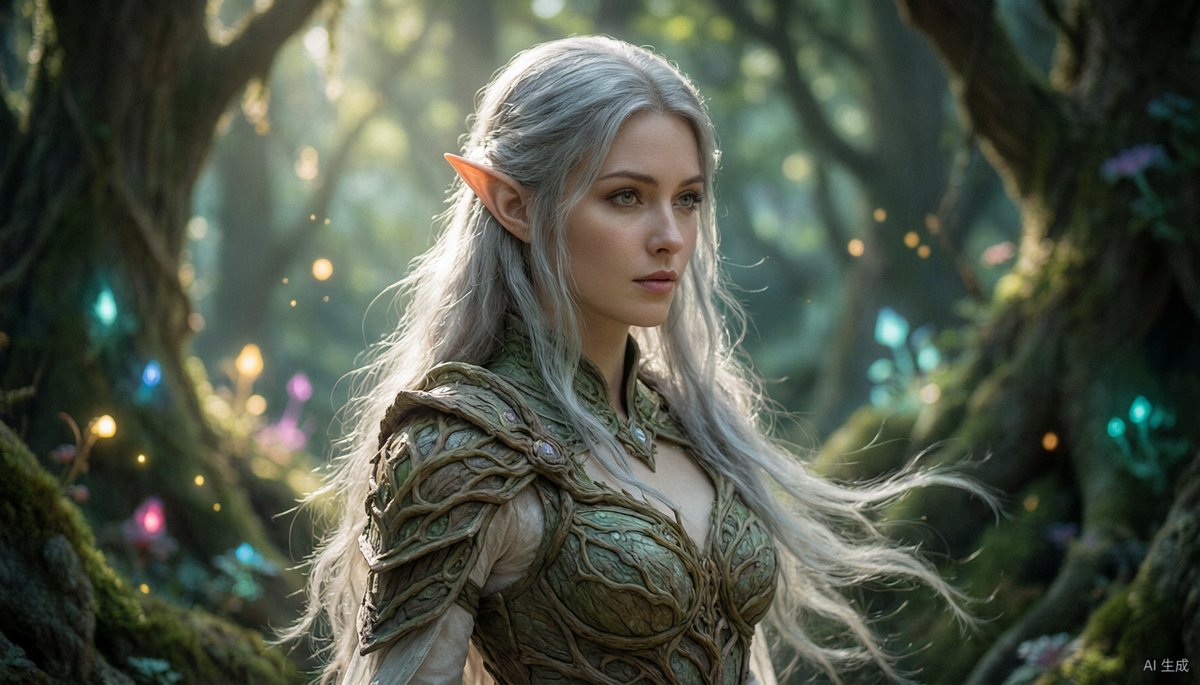
Elegant elf with pointed ears and flowing silver hair, wearing ancient forest-themed armor

Elf Name Generator

Generate authentic elf names for D&D 5e — wood elf names, high elf names, dark elf names with cultural meanings and etymology

Generate Elf Names for Your Fantasy RPG Adventures

How to Choose the Right Elf Subrace for Your Character

The biggest mistake players make with elf names is picking a subrace at random. Your elf's subrace should match their class, background, and personality -- not just sound cool. A wood elf ranger named "Thornbow Oakshield" feels right. A wood elf wizard named "Thornbow Oakshield" feels wrong. Here's how to match your character to the correct elven heritage:

Step 1: Match Subrace to Character Class

Each elf subrace has natural affinities for certain classes. This isn't just about game mechanics -- it's about cultural identity. An elf's name should signal what they do and where they come from.

  • Wood Elf: Rangers, Druids, Monks, Barbarians. These classes reflect the wood elf's connection to the forest, their physical prowess, and their role as protectors of the wild. A wood elf's name should sound earthy and grounded: Thornbow, Fernwalker, Oakshield.
  • High Elf: Wizards, Sorcerers, Bards, Clerics. These classes reflect the high elf's intellectual pursuits, arcane mastery, and celestial connections. A high elf's name should sound noble and magical: Auralion Starweaver, Thalorin Moonwhisper, Aerendil Spellforge.
  • Drow/Dark Elf: Rogues, Warlocks, Fighters, Assassins. These classes reflect the drow's cunning, their Underdark survival skills, and their complex relationship with dark powers. A drow's name should sound dangerous and exotic: Riz'zt V'lorn, Zarvek Shadowbane, Zilvra Mez'kavan.

Step 2: Consider Your Character's Background

Your elf's background story should influence their subrace choice. Ask yourself: Where did they grow up? What shaped their worldview? What do they fear or revere?

Forest-dwelling hermit: Wood Elf. Grew up among the trees, learned to track and hunt from elven rangers. Name reflects the forest: Bram Thornleaf, Dewdrop Hazelbranch.
Arcane academy graduate: High Elf. Studied in the celestial spires, mastered the arcane arts. Name reflects scholarship: Auralion Dawnquill, Celestiel Starshine.
Underdark exile: Drow. Fled the lightless caverns, rejected the old ways. Name reflects darkness and defiance: Riz'zt V'lorn, Zilvra the Redeemed.

Step 3: Choose a Name That Tells a Story

An elf's name is not just a label -- it's a compressed biography. Every syllable should hint at who they are, where they come from, and what they value. Use our etymology breakdown to understand what your generated name means, then adjust it to better fit your character's story.

Example: If your wood elf ranger lost their family to a forest fire, they might take the name "Ashwalker" to memorialize that tragedy. If your high elf wizard discovered a new spell, they might earn the epithet "Spellweaver." If your drow rogue escaped the Underdark, they might abandon their house name and adopt "Shadowbane" to mark their rejection of their heritage.

The Three Elven Cultures: A Complete Comparison

Understanding the differences between wood elves, high elves, and drow is essential for creating authentic elf names. Each culture has distinct values, traditions, and naming conventions that reflect their way of life.

Wood Elves: The Forest-Dwellers

Core Values: Nature, community, survival, tradition
Social Structure: Clan-based, led by elders and master hunters
Relationship with Magic: Druidic nature magic, herbalism, animal communion
Typical Lifespan: 500-700 years
Name Characteristics: Compound words combining nature elements (trees, plants, animals, weather) with occupations or descriptors. Short, grounded, earthy.

Male Examples: Aerden Oakwarden, Bram Thornleaf, Cedarglen Mossroot
Female Examples: Briarwyn Fernweaver, Dewdrop Hazelbranch, Ivybloom Sagepetal
Surnames: Oakshield, Thornbow, Fernwalker, Mossroot, Brookfischer

High Elves: The Celestial Scholars

Core Values: Knowledge, magic, art, nobility, celestial order
Social Structure: Aristocratic, ruled by noble houses and arcane councils
Relationship with Magic: Arcane magic, celestial communion, spell research
Typical Lifespan: 700-1000 years
Name Characteristics: Multi-syllable names with celestial prefixes (Aur-, Cele-, Mith-, Sol-, Lun-) and elegant suffixes (-ion, -iel, -wen, -dis). Long, flowing, melodic.

Male Examples: Auralion Starforged, Thalorin Moonwhisper, Aerendil Spellweaver
Female Examples: Aurara Dawnlight, Celestiel Starshine, Lunabel Moonbloom
Surnames: Starweaver, Moonwhisper, Dawnbringer, Spellforge, Runemaster

Drow/Dark Elves: The Underdark Exiles

Core Values: Survival, cunning, power, loyalty to house or self
Social Structure: Matriarchal noble houses, ruled by priestesses of the dark court
Relationship with Magic: Shadow magic, spider magic, demonic pacts
Typical Lifespan: 600-800 years
Name Characteristics: Harsh consonants (X, Z, V, Q), apostrophes marking glottal stops, gender dimorphism (female names longer than male). Dangerous, exotic, alien.

Male Examples: Riz'zt V'lorn, Zarvek Shadowbane, Vornquil Webwalker
Female Examples: Zilvra Mez'kavan, Zarithra V'reznak, Ilvara Szord'zyn
Surnames: V'lorn, Mez'kavan, Faen Tlabbar, Shadowbane, Webwalker

Common Elf Naming Mistakes (And How to Avoid Them)

After reviewing thousands of elf names, we've identified the most common mistakes players and writers make. Avoid these errors to create names that feel authentic and culturally appropriate.

Mistake #1: Mixing Subrace Conventions

The Problem: Creating a wood elf named "Thalorin Starweaver" or a high elf named "Thornbow Oakshield." These names use the wrong cultural elements for the subrace.
The Fix: Wood elves use nature words (oak, thorn, fern, moss). High elves use celestial words (star, moon, dawn, aurora). Drow use harsh consonants and apostrophes. Match the name elements to the subrace.

Mistake #2: Ignoring Gender Dimorphism in Drow Names

The Problem: Creating a female drow with a short, simple name like "Driz" or a male drow with a long, elaborate name like "Zarithra Lloth'mai." In drow society, name length signals gender role and status.
The Fix: Male drow names are short (1-2 syllables): Riz'zt, Zar, Vorn, Ris. Female drow names are long (3-5 syllables): Zarithra, Ilvara, Zilvra, Ti'quarra. This reflects the matriarchal hierarchy where women hold power.

Mistake #3: Using Apostrophes Incorrectly

The Problem: Adding apostrophes to names randomly to make them "look elvish": "Ae'ron", "Tha'las", "E'len". This is not how elven apostrophes work.
The Fix: In wood elf and high elf names, apostrophes are rare and only appear in compound surnames: "Oak'enshield" (the oak's shield). In drow names, apostrophes mark glottal stops or house separators: "V'lorn" (House V'lorn), "Mez'kavan" (priestess of the dark court). Use them with linguistic purpose, not decoration.

Mistake #4: Creating Names That Are Too Long

The Problem: Giving every elf a 4-syllable name like "Aelindorion Celestaniel" regardless of subrace. This makes all elves sound the same and ignores cultural differences.
The Fix: Wood elf names are short (2-3 syllables): Bram, Dew, Ivy, Oak. High elf names are medium (3-4 syllables): Auralion, Thalorin, Aerendil. Drow names vary by gender: males short (1-2), females long (3-5). Match length to subrace and gender.

Mistake #5: Ignoring the Etymology

The Problem: Generating a name without understanding what it means. "Auralion Starforged" sounds cool, but if you don't know that "Aur-" means "gold/dawn" and "Starforged" means "crafted by starlight," you can't use the name effectively in roleplay.
The Fix: Always read the etymology breakdown we provide. Understand what your name means, then adjust it to better fit your character's story. A name with personal meaning is more powerful than a random pretty sound.

Complete Elf Character Examples by Subrace

Here are six complete elf characters -- two from each subrace -- with names, backgrounds, classes, and stories that demonstrate how to create culturally authentic elf identities:

Bram Thornleaf, Wood Elf Ranger
Subrace: Wood Elf
Class: Ranger (Hunter archetype)
Background: Outlander
Name Meaning: "Bram" (bramble/thorny bush) + "Thornleaf" (one who lives among thorns)
Backstory: Bram grew up in the deep forests of the Western Heartlands, learning to track and hunt from his father, a wood elf ranger named Oakshield. When goblins began raiding the forest villages, Bram took up his bow and set out to protect his people. His name reflects his thorny, defensive nature -- he is as dangerous to his enemies as a briar patch.
Briarwyn Fernweaver, Wood Elf Druid
Subrace: Wood Elf
Class: Druid (Circle of the Land)
Background: Hermit
Name Meaning: "Briarwyn" (blessed friend of the thorns) + "Fernweaver" (one who crafts with ferns)
Backstory: Briarwyn lived alone in the forest for 60 years, tending the sacred groves and learning the language of the trees. She can weave ferns into healing pou and speak with the animals of the forest. Her name reflects her gentle, nurturing relationship with nature -- she is a weaver, not a warrior.
Auralion Starforged, High Elf Wizard
Subrace: High Elf
Class: Wizard (School of Evocation)
Background: Sage
Name Meaning: "Auralion" (noble dawn) + "Starforged" (crafted by starlight)
Backstory: Auralion was born into the noble house of Starforged, a family of high elf wizards who have studied the arcane arts for 800 years. He to his first 100 years in the celestial spires of Evereska, mastering the schools of evocation and abjuration. His name reflects his destiny -- he was forged by the stars to become a great archmage.
Celestiel Moonwhisper, High Elf Cleric
Subrace: High Elf
Class: Cleric (Light Domain)
Background: Acolyte
Name Meaning: "Celestiel" (little heavenly one) + "Moonwhisper" (one who speaks with the moon)
Backstory: Celestiel serves the elven moon goddess, the deity of the stars. She acts as a mediator between the high elf noble houses, using her divine magic to heal wounds and resolve disputes. Her name reflects her celestial calling -- she whispers with the moon and brings its light to those in darkness.
Riz'zt V'lorn, Drow Ranger
Subrace: Drow (Dark Elf)
Class: Ranger (Hunter archetype)
Background: Exile
Name Meaning: "Riz'zt" (cutting blade, a common drow name element) + "V'lorn" (of House V'lorn)
Backstory: Riz'zt was born into the drow city of Thal'Vond, but he rejected the evil ways of his people and fled to the surface world. He abandoned his house name and now calls himself "Riz'zt V'lorn" to honor his father, who was killed for trying to protect him. His name reflects his dual identity -- he is still a drow, but he has rejected his heritage.
Zilvra Mez'kavan, Drow Cleric
Subrace: Drow (Dark Elf)
Class: Cleric (Night Domain)
Background: Noble
Name Meaning: "Zilvra" (victorious one) + "Mez'kavan" (of the magical house)
Backstory: Zilvra is a priestess of the dark court. She serves the noble house of Mez'kavan, a ruling family of Thal'Vond. Her name reflects her ambition -- she is victorious in the deadly politics of drow society, and she will stop at nothing to rise in rank. Her name is a weapon, and she wields it with deadly precision.

Using Elf Names in Your Campaign

For Players: Building Your Elf's Identity

When creating an elf character, start with the subrace and work backward to the name. Ask yourself:

  • What is my elf's relationship with nature? Wood elves live in harmony with the forest. High elves study the celestial order. Drow survive in the lightless Underdark. Your subrace shapes your worldview.
  • What is my elf's social status? High elves come from noble houses. Wood elves belong to clans. Drow serve matriarchal families. Your name should signal your rank.
  • What is my elf's class? Rangers and druids are typically wood elves. Wizards and clerics are typically high elves. Rogues and warlocks are typically drow. Your class should match your subrace.
  • What story does my name tell? Every elf name is a compressed biography. "Bram Thornleaf" tells you this elf grew up among thorns. "Auralion Starforged" tells you this elf was crafted by starlight. "Riz'zt V'lorn" tells you this elf is an exile from a noble house. Your name should hint at your backstory.

For DMs: Populating Elven Kingdoms

When creating an elven city or forest, use batch mode to generate entire populations of named NPCs. Follow these steps:

Step 1: Choose the dominant subrace. Is this a wood elf forest village, a high elf celestial spire, or a drow Underdark city? This determines the naming conventions.

Step 2: Generate the ruler's name. Use the appropriate subrace settings to create a name for the elven lord, lady, or matron mother. Give them a surname that signals their noble house.

Step 3: Generate 5-10 noble names. Use batch mode to create the ruler's council, the noble families, or the priestesses. All names should follow the same subrace conventions.

Step 4: Generate 20-30 commoner names. Use batch mode with a higher count. These elves have simpler names -- first name + surname, no epithets or titles.

Step 5: Add cultural markers. Give each elf a role (ranger, wizard, merchant, priestess) and a relationship to the ruler (ally, rival, servant). This creates a living, breathing elven society.

Names as Plot Devices

Elf names can drive your campaign's plot in several ways:

  • A name prophecy: An elf named "Auralion Starforged" is destined to become a great archmage. The party must help them fulfill this destiny or stop them from achieving it.
  • A lost house name: A drow exile has abandoned their house name and now calls themselves "Shadowbane." Their former house wants them dead for this insult.
  • A name curse: An elf who fails to live up to their name ("Thalorin the Cowardly") seeks a way to change their name and redeem themselves.
  • A mixed-heritage party: A wood elf ranger, a high elf wizard, and a drow rogue must work together despite their cultural differences. Their names signal their distinct backgrounds, creating instant roleplay hooks.

Related Elf Name Generators

Frequently Asked Questions

What makes an elf name sound authentic?

Authentic elf names use flowing vowels (A, E, I), soft consonants (L, R, S, TH, N, M), and melodic rhythm with 2-3 syllables. Wood elves favor nature words like Oak, Fern, and Thorn. High elves prefer celestial elements like Aur (gold), Cele (heavenly), and Mith (star). Drow names feature harsh sounds with X, Z, V, and apostrophes.

Can I use these elf names for my D&D campaign?

Yes. All generated names are original and free to use in your tabletop RPG campaigns, novels, games, or any creative project. Our names follow established fantasy RPG naming conventions. Each name comes with an etymology breakdown showing its linguistic roots.

What is the difference between wood elf, high elf, and drow names?

Wood elf names use earthy, nature-inspired elements like Oakwalker, Fernleaf, and Thornbow. High elf names favor celestial and noble sounds like Auralion, Thalorin, and Aerendil. Drow names feature harsh consonants like Riz'zt, Zarithra, and Zilvra with apostrophes reflecting their Underdark culture.

How do I pronounce elf names with unusual letter combinations?

Elven pronunciation follows consistent rules: 'ae' sounds like 'ay' in day, 'ie' like 'ee' in see, 'th' as in thin (not this). Apostrophes in drow names indicate a glottal stop — a brief pause between syllables. Use our speaker icon 🔊 to hear any name pronounced aloud.

What are good elf last names?

Good elf surnames combine nature words with occupations or descriptors: Moonwhisper, Starweaver, Forestwalker, Dawnbringer, Nightbloom, Silverleaf, Goldenshield, Crystalheart. Wood elves prefer earthy compounds (Oakshield, Thornleaf), high elves favor celestial terms (Stargazer, Moonborn), and drow use dark imagery (Shadowbane, Webwalker).

How do I choose between wood elf and high elf for my character?

Choose wood elf if your character is connected to forests, nature magic, hunting, or ranger/druid classes. Their names sound earthy and grounded. Choose high elf if your character studies arcane magic, comes from noble lineage, or plays wizard/sorcerer roles. Their names sound celestial and elaborate. Consider your character's background story and class when deciding.

What D&D 5e elf subraces exist?

D&D 5e officially recognizes three elf subraces: High Elf (extra cantrip, +1 Intelligence), Wood Elf (fast movement, +1 Wisdom, Mask of the Wild), and Drow/Dark Elf (superior darkvision, +1 Charisma, sunlight sensitivity). Each subrace has distinct naming conventions reflected in our generator. Unofficial subraces like Eladrin, Shadar-kai, and Sea Elves appear in supplemental materials.

Can elf names be short?

Yes. While many elf names are 2-3 syllables (Thalorin, Aerendil, Briarwyn), shorter single-syllable names exist, especially for wood elves: Ash, Elm, Fern, Ivy, Oak, Reed, Sage. These work well for rustic forest-dwellers or characters who prefer simplicity. Our generator includes both traditional longer names and concise short options depending on the elf type selected.